

Keyword research for beginners is one of the most important SEO skills to learn if you want your content to appear in search results.
Many beginners create high-quality content but struggle to attract visitors because they target the wrong keywords.
When I first started creating content, I often wrote about topics that interested me personally. However, I later realized that effective content should be backed by proper keyword research.
This helps you avoid creating content on topics that people are not actively searching for.
Google Search, Search Suggestions, and Autocomplete can help you discover content ideas and identify topics that people are already searching for.
Keyword research helps you discover the exact terms people search for online. By understanding these search terms, you can create content that matches user needs and improves your chances of ranking on Google.
In this guide, you’ll learn keyword research for beginners using simple methods and free tools.
What Is Keyword Research?
Keyword research is the process of finding the words and phrases people type into search engines when looking for information.
For example, instead of targeting a broad term like “SEO,” a beginner may target a more specific keyword such as “SEO tips for beginners.”
These keywords help search engines understand your content and connect it with the right audience.
Why Keyword Research Is Important for SEO
Keyword research forms the foundation of every successful SEO strategy.
Without keyword research, you may spend hours creating content that nobody is searching for.
Benefits of keyword research include:
- Understanding what your audience wants
- Finding content ideas
- Increasing organic traffic
- Improving search rankings
- Creating content that matches user intent
Proper keyword research ensures your efforts are focused on topics that people actively search for.
How Keyword Research Helps Beginners Rank Faster
Beginners often struggle to rank for highly competitive keywords.
Keyword research helps identify less competitive opportunities where newer websites have a better chance of appearing in search results.
Instead of targeting:
“SEO”
You can target:
“SEO tips for beginners”
This approach allows you to compete for more specific searches and gain traffic sooner.
Use Google Autocomplete to Find Keyword Ideas
One of the easiest ways to perform keyword research is by using Google Autocomplete.
Simply start typing a topic into Google and observe the suggestions that appear.
For example, when you type “keyword research” into Google, suggestions such as the following may appear:
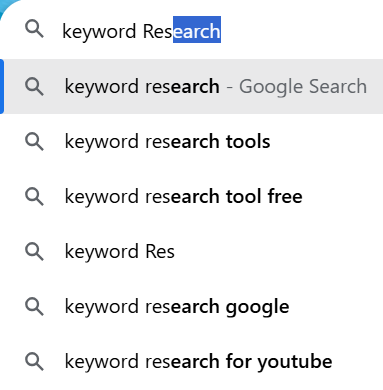
- Keyword research for beginners
- Keyword research tools
- Keyword research tool free
- Keyword research Google
These suggestions are based on real searches performed by users.
Explore People Also Ask Questions
Google’s People Also Ask section provides valuable insight into what users want to know. These questions come directly from Google users, making them valuable topics for future articles.
People Also Ask can help you discover related questions that are closely connected to your main topic. These questions can reveal what beginners are curious about and give you ideas for creating more useful, focused content.
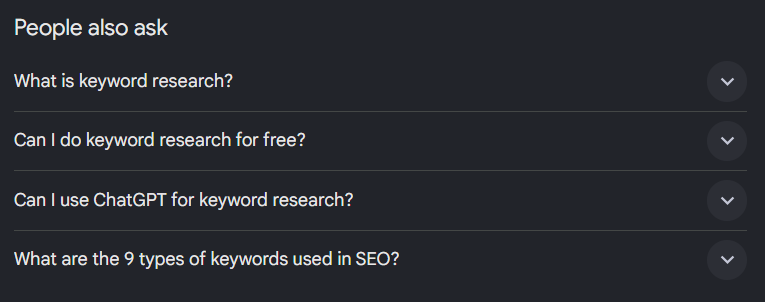
Look for questions related to your topic and use them as content ideas.
Examples:
- What is keyword research?
- Why is keyword research important?
- Which keyword research tool is best for beginners?
Answering these questions within your content can improve relevance and user experience.
Find Long-Tail Keywords with Less Competition
Long-tail keywords are longer and more specific search phrases.
Examples:
- Keyword research for beginners
- Free keyword research tools
- Best keyword research methods for blogs
These keywords usually have lower competition and attract visitors with clearer intent.
They are often easier for new websites to rank for.
Use Free Keyword Research Tools
Keyword research for beginners does not require expensive tools. Several free tools can help you discover keyword opportunities.
Popular options include:
- Google Keyword Planner
- Google Search
- Google Trends
- Google Search Console
- AnswerThePublic (free version)
As a beginner, Google Keyword Planner and Google Autocomplete are often enough to start finding keyword ideas and content opportunities.
These tools can provide keyword ideas and help you understand search behavior.
Analyze Search Intent Before Creating Content
Search intent refers to the reason behind a search query.
Generally, search intent falls into four categories:
- Informational
- Navigational
- Commercial
- Transactional
Before creating content, analyze what users expect to find when searching for a keyword.
Matching search intent increases the likelihood of ranking well.
Common Keyword Research Mistakes Beginners Make
Avoid these common mistakes:
- Targeting overly competitive keywords
- Ignoring search intent
- Choosing keywords without research
- Keyword stuffing
- Focusing only on search volume
Successful SEO requires balancing relevance, competition, and user intent.
Start Applying Keyword Research Today
Keyword research is one of the most valuable skills for anyone interested in SEO and blogging.
You don’t need expensive software to begin. Google Autocomplete, People Also Ask, and free SEO tools can provide enough information to identify strong keyword opportunities.
Start researching keywords before creating every article and you’ll build a stronger foundation for long-term SEO success.
Final Thoughts
Keyword research is not complicated, but it is essential. By using Google Autocomplete, exploring People Also Ask questions, finding long-tail keywords, and understanding search intent, beginners can create content that people are actively searching for.
Learning keyword research for beginners is one of the best investments for long-term SEO success.
Start using keyword research before every article you publish. Over time, this habit can lead to better rankings, increased organic traffic, and stronger SEO results.

GrowthGist was founded by Ishwar Solanki to provide clear, practical, and beginner-friendly content on SEO, blogging, AI tools, productivity, website optimization, and digital growth. The platform helps readers build valuable digital skills and strengthen their online presence through actionable insights and reliable information.