
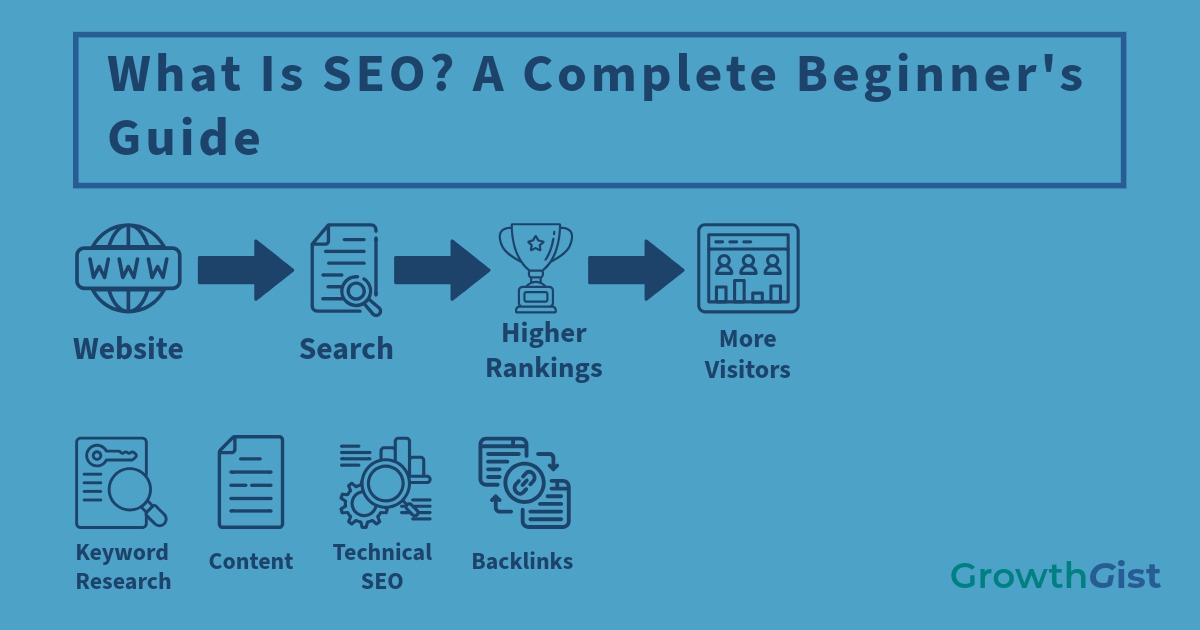
What is SEO? SEO (Search Engine Optimization) is the process of improving a website’s visibility in search engines like Google. The goal of SEO is to help your website appear higher in search results when people search for relevant topics, products, or services.
For beginners, SEO may seem complicated, but understanding the basics can help you attract more visitors, increase brand awareness, and grow your online presence without paying for ads.
What Is SEO?
Many people ask, what is SEO and whether it is still important in today’s digital world. The truth is that SEO remains one of the most effective ways to attract visitors without paying for ads. Understanding what is SEO is the first step toward building a successful website.
SEO (Search Engine Optimization) refers to a set of techniques used to improve a website’s rankings in search engine results pages (SERPs).
For example, when I searched for information about the ‘best laptops under 50000,’ I clicked on one of the top results because it provided clear and useful information. That website likely benefited from good SEO practices, which helped it appear prominently in search results and attract visitors.
By implementing SEO best practices, websites can improve their chances of appearing among those results.
Why Is SEO Important?
SEO is important because it helps websites receive organic traffic, which means visitors coming from search engines without paid advertising.
Some key benefits of SEO include increased visibility, better user experience, and long-term growth.
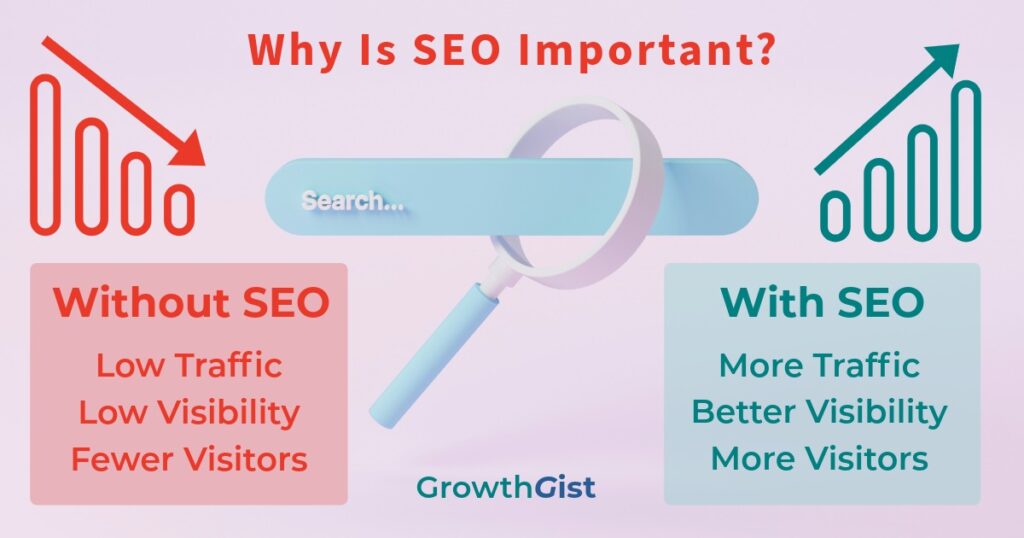
Benefits of SEO
- Increased website visibility
- Higher organic traffic
- Improved user experience
- Better brand credibility
- Long-term marketing results
- Cost-effective growth
Unlike paid advertising, SEO can continue driving traffic long after content is published. Understanding what is SEO can help you build a strong foundation in digital marketing.
How Do Search Engines Work?
Search engines generally work through three main processes. According to Google Search Central, search engines discover, understand, and organize content before displaying it in search results.
1. Crawling
Search engines use automated programs called crawlers or bots to discover web pages across the internet.
These bots follow links and collect information about websites.
2. Indexing
After a page is crawled, search engines store and organize its information in a massive database called an index.
Only indexed pages can appear in search results.
3. Ranking
When users perform a search, Google evaluates many ranking factors to determine which pages should appear first.
The pages that best match the user’s search intent are ranked higher.
Types of SEO
SEO can be divided into several categories.
On-Page SEO
On-Page SEO focuses on optimizing elements within your website.
Examples include:
- Optimizing titles
- Writing meta descriptions
- Using keywords naturally
- Creating quality content
- Internal linking
For a detailed explanation, read our guide on On-Page SEO for Beginners.
Technical SEO
Technical SEO focuses on improving the technical aspects of a website.
Examples include:
- Website speed
- Mobile-friendliness
- HTTPS security
- XML sitemaps
- Crawlability
Learn more in our Technical SEO for Beginners guide.
Off-Page SEO
Off-Page SEO refers to actions taken outside your website to improve rankings.
Examples include:
- Building backlinks
- Brand mentions
- Social sharing
- Guest posting
Quality backlinks remain one of Google’s strongest ranking signals.
What Are Keywords in SEO?
Keywords are the words and phrases people type into search engines.
For example:
- What is SEO
- SEO for beginners
- Best SEO tools
- Keyword research guide
Using relevant keywords helps search engines understand the topic of your content. Effective keyword research can help you discover these terms.
However, avoid keyword stuffing, as it can negatively impact rankings.
What Is Keyword Research?
Keyword research is the process of finding search terms that your target audience uses.
Good keyword research helps you:
- Understand search demand
- Discover content ideas
- Find ranking opportunities
- Create targeted content
You can learn more in our guide on Keyword Research for Beginners: 10 Easy Steps.
Important Google Ranking Factors
Google uses hundreds of ranking factors, but some of the most important include:
Quality Content
Creating helpful and original content is essential for SEO success.
Search Intent
Your content should match what users are looking for when they perform a search.
Page Experience
Factors such as:
- Mobile usability
- Fast loading speed
- Easy navigation
contribute to a better user experience.
Backlinks
Links from reputable websites can improve authority and trust.
Website Security
Using HTTPS helps protect users and is considered a ranking signal.
Common SEO Mistakes Beginners Make
Many beginners make mistakes that slow down SEO progress.
Common examples include:
- Keyword stuffing
- Ignoring technical SEO
- Publishing thin content
- Using duplicate content
- Neglecting internal linking
- Not optimizing images
Avoiding these mistakes can improve both rankings and user experience.
How Long Does SEO Take?
SEO is a long-term strategy.
In most cases:
- Small improvements may appear within a few weeks.
- Meaningful growth often takes 3–6 months.
- Competitive keywords can take even longer.
Consistency is one of the most important factors in SEO success.
SEO Tips for Beginners
If you’re new to SEO, start with these SEO Tips for Beginners to build a strong foundation:
- Create helpful content.
- Perform keyword research.
- Optimize titles and headings.
- Improve website speed.
- Use internal links.
- Ensure mobile-friendliness.
- Submit your sitemap to Google.
- Monitor performance using Google Search Console to track clicks, impressions, and indexing status.
Following these steps will help build a strong SEO foundation. If you’re still wondering what is SEO, the answer becomes clearer as you start applying these techniques.
Final Thoughts
SEO is the process of improving a website’s visibility in search engines and attracting organic traffic. By understanding concepts such as keyword research, on-page SEO, technical SEO, and search intent, beginners can create content that ranks better and provides value to users.
Now that you understand what is SEO, you can begin applying these strategies to improve your website’s visibility and reach more people online. SEO is not about quick results but about consistent improvement over time. With patience and the right approach, even beginners can achieve meaningful growth.
It remains one of the most effective ways to grow a website over the long term.

GrowthGist was founded by Ishwar Solanki to provide clear, practical, and beginner-friendly content on SEO, blogging, AI tools, productivity, website optimization, and digital growth. The platform helps readers build valuable digital skills and strengthen their online presence through actionable insights and reliable information.